Egyptian Textile Manufacturing
Private Label Egyptian Cotton Bedding from Egypt
Develop bedding under your own brand with Nile Bridge Trade. Egyptian textile production can be planned around your product brief, with cotton specifications, custom sizing, colours, labels and packaging reviewed for the selected manufacturing program.
Turn a Brand Concept into a Manufacturing Brief
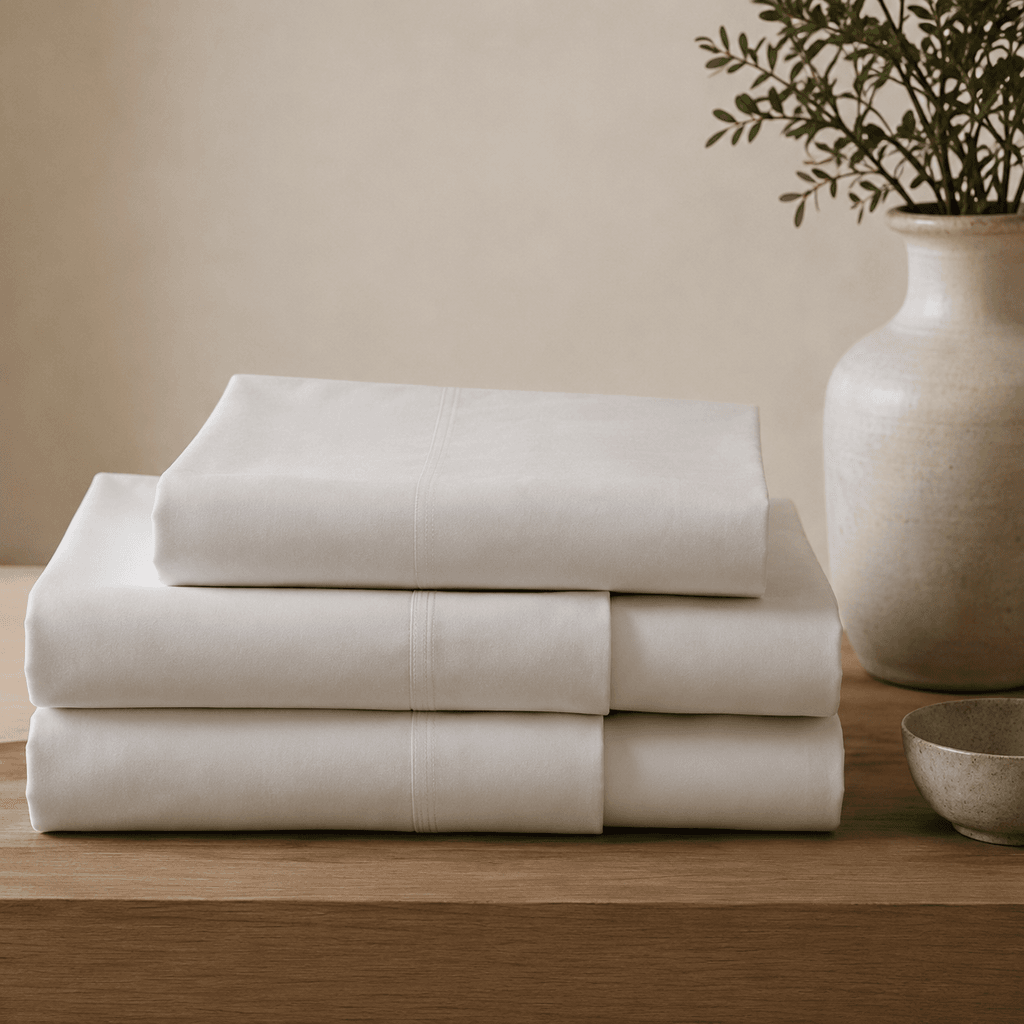
A private-label project needs a product definition that can be reviewed by purchasing, production and packaging teams. Begin with the intended buyer, sales channel and assortment: sheets, duvet covers, pillowcases or a coordinated range. Describe the result you want in practical terms, including dimensions, material, colour and finishing. Reference images can help explain appearance, but should be supported by measurable specifications. Separate confirmed requirements from preferences you are willing to review so product development can focus on the decisions that affect the actual manufacturing program.
Confirm Cotton Composition and Origin Wording
The documented bedding range includes 100% cotton and Egyptian cotton options for selected products. For flat and fitted sheets, Egyptian cotton is listed from 300 TC as a premium option. Confirm the proposed fibre and fabric before approving consumer-facing claims. A product made in Egypt is not automatically made with Egyptian-grown cotton. If your brand intends to use origin wording, identify the evidence and product documentation needed at the quotation stage. Review certification references separately for the selected product and their actual scope rather than adding broad assurances to the packaging.
Choose Product Construction for the Range
Sheets and covers have different manufacturing details. Flat sheets need hem and finished size requirements; fitted sheets need mattress dimensions and pocket depth; duvet covers need size, closure and set contents; pillowcases need pillow space and finishing style. Sateen and percale are documented choices for selected bedding, with thread count options shown on the product pages. Confirm each combination for the project. A coordinated visual collection can still use several constructions, so keep a separate specification for every item and use the same terminology in the product schedule and artwork.
Custom Sizes, Colours and Collection Identity
Provide dimensions in centimetres and identify the size names used in your destination market. Custom sizing can be reviewed against the chosen product construction. Supply colour references and define which articles must coordinate within a set or collection. Fabrics and finishing may affect appearance, so review the proposed samples rather than assuming a named colour looks identical on every component. Include details such as piping, flanges or borders where supported by the product. These choices help translate a brand identity into a clear production brief without relying on unsupported quality claims.
Labels, Care Information and Brand Artwork
Custom labels and packaging are documented elements of the textile offer. Share artwork, label dimensions, placement and the required text with your specifications. Fibre wording, sizes and set contents should agree with the approved product. Destination-specific care or labelling requirements should be identified for review, and final artwork should be approved before production. If your online listings will use the same descriptions, prepare them from the confirmed specification so the physical pack and digital product page describe the same item. Do not treat a branding concept as evidence of certification or cotton origin.
Design Packaging Around the Product
Define whether the product is sold individually or as a multi-piece set, then list contents and quantities. Describe the proposed retail packaging, inserts and export carton marks. Packaging can be reviewed alongside the product so pack size, handling and presentation suit the agreed items. Wholesalers may need item references for stock control; online brands may need clear size identifiers and pack information. Exact materials, carton dimensions and packing quantities are confirmed during project development. Include the packaging brief in the quotation request instead of postponing it until the fabric has already been approved.
Samples, Approval Notes and Specification Changes
Sample requests are reviewed for the selected project, with availability, costs and timing confirmed during quotation. Use approval notes to record the construction, colour, dimensions and finishing accepted for production. If you request changes, identify them against the current reference so the next review has a clear basis. Testing and document requirements should be discussed before the order is confirmed. The existence of a sample option does not imply a free sample, a fixed dispatch date or unlimited revisions. Confirm the practical development and approval arrangements for your particular program.
Start a Private Label Bedding Project
Retailers, distributors and online brands can send a structured brief with item quantities, fabric preferences, weave, sizes, colours, labels and pack format. Add the destination market and proposed delivery terms for export review. MOQ and production lead time depend on the selected products and specifications, and are confirmed in the quotation. If the range includes filled pillows, inserts or towels, specify these separately from cotton bed linen. Explore the product collection for existing options and contact Nile Bridge Trade to discuss custom manufacturing, product development and a quotation for your buyer-brand program.
Buyer Questions
Can you manufacture bedding under our private label?
Private-label labels, branding and packaging can be reviewed with the textile specification. Send your artwork and item schedule so the selected production program and commercial terms can be confirmed.
Can colours and packaging be customized?
Colour references, labels and packaging are documented customization options. Availability and final specifications depend on the selected product, design, quantity and packing requirements.
Can you supply European buyers?
International B2B enquiries, including from Europe, can be reviewed. Specify the destination, required documentation, label information and delivery terms so production and export requirements can be agreed.
Can buyers request samples?
Yes, sample requirements can be discussed for the selected project. Availability, specification, costs and timing are confirmed during quotation. A reference sample and approval notes should identify the construction, colour and finishing you want reviewed.
What information is needed for a quotation?
Provide products, finished dimensions, fabric composition, weave, colours, quantities by item, branding, packaging and destination. MOQ, sample arrangements and timing are confirmed according to the product, specification, quantity, packaging and delivery requirements.
Next step
Request Specifications & a Quotation
Share products, dimensions, fabric, colours, quantities, branding, packaging and destination so we can review your textile requirements.